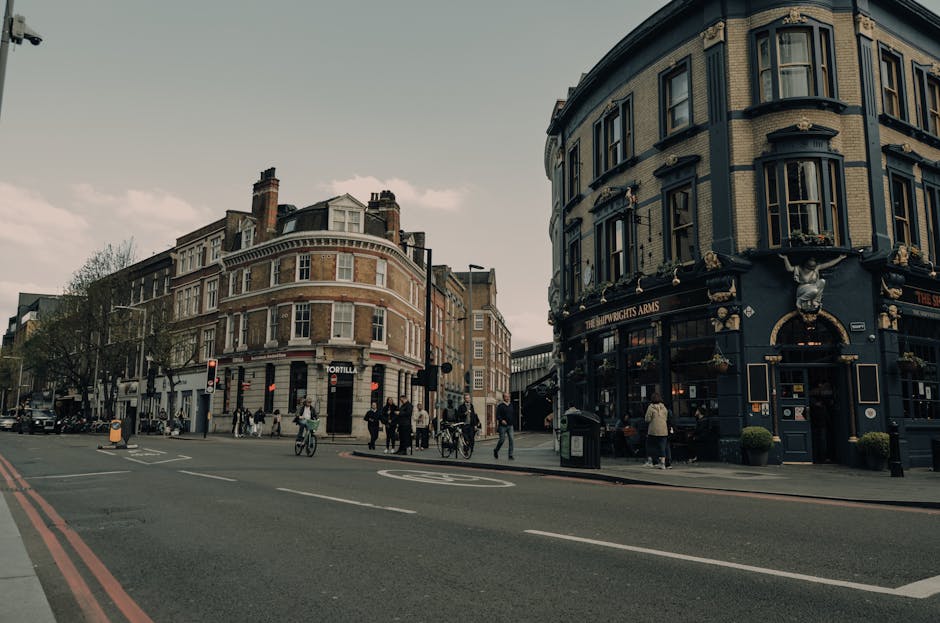
Common student move problems near Elephant and Castle
If you are planning a student move around Elephant and Castle, the tricky part is rarely just carrying boxes. The real stress usually comes from tight stairwells, awkward flat access, last-minute landlord rules, parking pressure, and that classic student habit of underestimating how many things can somehow fit into one bedroom. Common student move problems near Elephant and Castle tend to show up fast because the area is busy, built-up, and not always forgiving on moving day. The good news? Most of those problems can be managed with a bit of planning, the right packing approach, and a realistic idea of what local moving conditions are like.
In this guide, we will walk through the most common issues students face, how the move process typically works, what to prepare in advance, and how to avoid the mistakes that make a simple move feel far more complicated than it needs to be.
Why Common student move problems near Elephant and Castle Matters
Student moves are often treated like a quick weekend task. In reality, they can affect your studies, your budget, your belongings, and your stress levels for weeks if they go badly. That matters even more around Elephant and Castle, where you may be dealing with flat shares, blocks with lift issues, busy streets, and a fair amount of loading pressure. One missed detail can turn a tidy move into an all-day scramble.
Why does this area in particular need a bit more thought? Because local moves are rarely "doorstep to van to new room" simple. You may need to handle limited parking, busy foot traffic, building access rules, narrow communal hallways, and the usual student problem of too much stuff and not enough time. Truth be told, the move itself is often the easy bit; the admin around it is what trips people up.
There is also a timing issue. Many student moves happen around term changes, which means everyone is trying to move at roughly the same time. So even if your own move is small, the streets, lifts, courtyards, and shared entrances may feel a lot busier than you expect. That is where planning starts paying off.
Expert summary: Most student moving stress near Elephant and Castle comes from access, timing, packing, and parking-not from the number of boxes alone. If you solve those four areas early, the move becomes much calmer.
How Common student move problems near Elephant and Castle Works
A student move usually starts with sorting what is actually going, what can be sold or donated, and what needs special handling. Sounds simple. It rarely is. A forgotten printer cable, a kitchen box stuffed with heavy mugs, or a mattress that needs two people and a plan can all slow things down pretty quickly.
Near Elephant and Castle, the process often looks like this:
- You confirm your move date, time, and building access arrangements.
- You decide whether you need a van, a driver, helpers, or a full removals service.
- You pack room by room, labelling everything clearly.
- You check whether your building has lift access, loading rules, or time restrictions.
- You make sure the van can stop safely and legally near the property.
- You unload in an organised way so the new place does not become chaos by 10 a.m.
That last one sounds obvious, but it is where many student moves go sideways. Boxes get stacked in random corners, essentials disappear into the wrong room, and someone ends up asking, "Where did we put the kettle?" at the exact moment everyone needs tea. Classic.
Common student move problems near Elephant and Castle often come down to mismatch: the move plan is built for a simple suburban driveway, but the real setting is a busy inner-London street or a block with shared access. Once you understand that mismatch, the rest becomes easier to manage.
Key Benefits and Practical Advantages
Getting ahead of move problems is not just about avoiding stress. It also gives you better control over cost, time, and the condition of your things. Students often assume a cheap move is automatically the best move, but that only holds true if your belongings arrive safely and you do not waste half a day trying to work around avoidable problems.
Here are the practical advantages of planning properly:
- Less damage to belongings: better packing and better handling reduce breakages and scuffs.
- Less time wasted: fewer trips, fewer forgotten items, fewer awkward pauses outside the building.
- Lower stress on move day: when access and timing are sorted, you can focus on the move instead of firefighting.
- Better budget control: avoiding last-minute changes usually means fewer unexpected costs.
- Safer lifting and carrying: a sensible plan reduces the chance of back strain or dropped items.
- Cleaner handover: if you are leaving a student let, you can more easily meet move-out expectations and avoid rushed clean-up.
There is also a less obvious benefit: clarity. When everyone knows who is taking what, which box contains essentials, and what time the van arrives, the whole move feels more manageable. That clarity matters a lot in shared student houses where multiple people are moving different things at once.
Who This Is For and When It Makes Sense
This topic is most useful if you are a student moving into, out of, or between accommodation near Elephant and Castle. That includes first-year students arriving with more luggage than planned, postgraduate students moving between flats, and flat-sharers trying to relocate without turning the hallway into a bottleneck.
It also makes sense if you are helping a friend move. In practice, student moves often involve family members, housemates, or a couple of friends with one vehicle and very mixed opinions about who should carry the heavier boxes. A little structure goes a long way there.
You will find this especially relevant if:
- you are moving in or out of a studio or shared flat;
- your building has stairs, lifts, or access restrictions;
- you are moving on a tight schedule between leases;
- you need temporary storage during a gap between tenancies;
- you are trying to move cheaply but safely;
- you have fragile items, instruments, or a lot of books;
- you are new to London and do not yet know the local loading rules well.
So, who actually needs to think hardest about this? Honestly, anyone with more than a few bags. The moment you have a bed frame, a desk, and a tower of boxes, a "quick move" stops being quick.
Step-by-Step Guidance
1. Start with a proper inventory
Make a simple list of what you are moving. Keep it practical, not theatrical. Count boxes, bulky items, electronics, and anything delicate. If you can, note which items need disassembly. This is the point where you realise you own four frying pans and no lid that fits any of them. Slightly embarrassing, but useful.
2. Check building access before you book anything
Find out whether there is lift access, step-free entry, loading restrictions, or a specific time window for moving. In student blocks and shared buildings, management rules can be stricter than people expect. The safest move is to confirm this early and not assume the van can just pull up outside.
3. Decide what kind of help you actually need
Some students only need a small vehicle and a pair of hands. Others need a larger van, furniture handling, or help with packing. Be honest here. If you have a bed, desk, and several heavy boxes of books, under-booking is usually the expensive mistake.
4. Pack by room and by priority
Use clear labels and keep one essentials bag separate. Things like chargers, toiletries, a change of clothes, snacks, ID, keys, and medication should stay easy to reach. The first night in a new place is always smoother when the essentials are not buried under winter jumpers.
5. Protect furniture and fragile items properly
Use wrapping, sturdy boxes, and enough tape to actually hold. Not "one hopeful strip and a prayer." Dismantle what you can safely dismantle. Put screws and fittings into labelled bags and tape them to the relevant item or keep them all together in one clearly marked pouch.
6. Plan the loading sequence
Load heavier items first, but make sure the van is packed in a way that makes unloading sensible. Put essentials near the door if they need to come out first. This saves time, and it saves that horrible moment where one tiny item is wedged behind three mattresses.
7. Build in a time buffer
London traffic, lift delays, and building access hiccups can eat into your schedule. Leave a buffer rather than planning every minute to the edge. Ten or fifteen extra minutes can feel like a luxury on paper and a lifesaver in real life.
8. Do a final sweep before leaving
Check cupboards, sockets, under the bed, inside drawers, and behind doors. Students leave chargers, passports, bank cards, and tiny but important items behind more often than they think. It happens. More than people admit.
Expert Tips for Better Results
In our experience, the smoothest student moves near Elephant and Castle are usually the ones where someone takes ownership of the boring little details. Not glamorous, but very effective.
- Book for the least chaotic time you can manage: early starts often work better than mid-day slots when streets are busier.
- Use colour-coded labels: even a basic system like blue for kitchen and green for bedroom helps when several people are unloading at once.
- Keep a "first hour" box: kettle, mugs, phone charger, toilet roll, wipes, snacks, keys, and a spare bag. Little things, huge difference.
- Ask about parking and waiting limits in advance: assumptions cost time, and sometimes money.
- Check whether your bed or desk needs dismantling: many students only discover this while standing in a stairwell with half a frame in hand.
- Photograph your flat before you leave: useful for your own records and for reducing arguments about condition later.
Another practical tip: if you are sharing a move with housemates, assign roles. One person handles keys and access, one handles the essentials box, one checks rooms, one deals with the van. It sounds a bit organised for student life, but it really does make things smoother. And yes, someone still has to do the tea run.
Common Mistakes to Avoid
Most student move headaches come from a handful of repeat mistakes. Once you know them, they become much easier to avoid.
Underestimating how much stuff you own
The classic error. You think you have six boxes, then suddenly you are facing suitcases, a fan, two under-bed storage tubs, and a chair that is somehow not light at all.
Ignoring access issues
If your building has narrow hallways, lift restrictions, or timed entry, ignoring that can slow the whole move right down. Local access problems are one of the main reasons student moves near Elephant and Castle become more stressful than expected.
Packing heavy boxes badly
Books in one box can become very heavy, very fast. Mixing heavy and fragile items is also a bad idea. Keep load weights sensible so boxes are actually carryable.
Leaving packing until the last minute
Last-minute packing usually means poor labelling, missing items, and a lot of "I know it was here somewhere." It is never a good feeling. Never.
Forgetting to separate essentials
Your first night box matters more than you think. If it is buried under everything else, you will feel that frustration instantly when you arrive tired and hungry.
Choosing the wrong vehicle size
A vehicle that is too small means extra journeys. A vehicle that is too large may be harder to position in tight streets or near restricted access points. The right size matters more than most students expect.
Not checking terms and responsibilities
Whether you are using a service or arranging a DIY move, you should know what is included, what is excluded, and who is responsible for what. That avoids awkward surprises later.
Tools, Resources and Recommendations
You do not need a mountain of equipment to manage a student move well, but a few practical tools make a real difference.
- Sturdy boxes: especially for books, kitchen items, and smaller electronics.
- Packing tape and tape dispenser: saves time and stops weak box tops from opening.
- Bubble wrap or paper wrap: useful for mugs, glassware, lamps, and anything odd-shaped.
- Marker pens and labels: simple, but easily overlooked.
- Reusable bags or crates: good for clothes, bedding, and lighter soft goods.
- Furniture covers or blankets: helpful for protecting corners and surfaces.
- Basic toolkit: screwdrivers, Allen keys, and spare baggies for fittings.
If you want a more structured move, services such as student removals, packing and unpacking services, or a flexible man and van option can help reduce the strain. For heavier or more awkward loads, some people also look at home moves or broader removal services depending on how much needs shifting.
If you are comparing options, it can also help to look at pricing and quotes early, rather than on the morning you need to move. That way you are comparing properly, not under pressure.
Law, Compliance, Standards, or Best Practice
For student moves, the biggest compliance issues are usually practical rather than complicated legal matters. Still, there are a few things worth keeping in mind.
First, parking and loading should be treated carefully. In busy parts of London, stopping in the wrong place or blocking access can create problems quickly. It is always better to check what is allowed around your building rather than assume short-term stopping will be fine. Second, if you live in managed accommodation, your landlord, estate agent, or building manager may have their own move-out rules. Those can affect timing, lift use, damage protection, and waste disposal.
Third, if you are using a removals provider, good practice is to understand what insurance and safety cover is in place, what items need special handling, and what the service actually includes. A proper provider should be clear about responsibilities, limits, and any conditions attached to the job. That kind of transparency matters. It is not exciting, but it protects everyone.
Health and safety also matters. Boxes should not be overfilled, walkways should stay clear, and heavy lifting should be done with care. If a move involves stairs, awkward furniture, or long carries, it is sensible to use more than one person or get proper help rather than improvising. A rushed lift with a wardrobe never ends elegantly, does it?
Options, Methods, or Comparison Table
Different move setups suit different student situations. The best choice depends on budget, volume, access, and how much help you want on the day.
| Option | Best for | Strengths | Possible drawbacks |
|---|---|---|---|
| DIY with friends | Very small loads and simple access | Lowest cash outlay, flexible | More physical effort, higher risk of poor packing or delays |
| Man and van | Medium student loads and local moves | Flexible, often cost-effective, useful for flats and shared houses | Still requires some packing and organisation from you |
| Full removals service | Larger loads, awkward access, fragile items | Less lifting, more support, often less stressful | Usually higher cost than a basic van hire option |
| Packing support plus transport | Busy students or moves with delicate items | Saves time, reduces packing stress, improves handling | Less hands-on control, needs early booking |
For many students near Elephant and Castle, the middle ground is the sweet spot: enough help to handle access and heavy items, without paying for more than you need. That balance is what most people are really after.
Case Study or Real-World Example
A fairly typical student move near Elephant and Castle might involve two flatmates leaving a third-floor apartment, each with a mix of clothes, books, kitchen gear, a desk, and one awkward bed frame. The building has a lift, but it is small and shared. There is limited space outside, and the move has to happen between classes and a part-time shift. Very London, very familiar.
In a situation like that, the move goes much better if the flatmates do three things early: they label items clearly, they check building access before the day, and they separate essentials into one bag per person. A small van or a man-and-van arrangement may be enough if the bulk of the furniture is minimal and the route is short. If one person has a piano keyboard, several heavy boxes of books, or extra storage items, then a broader removal solution may be more sensible.
The real lesson is not that one method is always best. It is that the right method depends on the actual load and the actual building. That may sound obvious, but it is where people often misjudge the job.
One student move we heard about involved a very polished plan on paper and an absolutely chaotic reality because nobody checked lift size. The solution was simple enough in the end, but the wasted time was avoidable. A little boring planning would have saved a lot of scrambling. Not glamorous, but true.
Practical Checklist
- Confirm your move date and time early.
- Check lift access, stair access, and loading restrictions.
- Measure large furniture if anything looks tight.
- Decide whether you need a van, helpers, or full removal support.
- Gather boxes, tape, labels, and wrapping supplies.
- Pack one essentials bag for the first 24 hours.
- Label boxes by room and priority.
- Dismantle furniture where safe and practical.
- Keep screws and fittings in clearly marked bags.
- Protect fragile items properly.
- Plan for parking or loading space near the property.
- Leave a time buffer for delays and building access issues.
- Do a final room-by-room sweep before leaving.
- Take photos of the empty property if needed for your records.
- Keep keys, phone charger, ID, and important documents with you.
If you can tick off most of that list, you are already ahead of the average student move. Quietly ahead, too. The best kind.
Conclusion
Common student move problems near Elephant and Castle are usually not mysterious. They are the predictable mix of access, packing, timing, parking, and too much stuff in too little time. Once you accept that, the move becomes much easier to plan. You do not need perfection. You need a realistic plan, clear labels, sensible packing, and enough help for the heavy bits.
Whether you are moving out of halls, into a flat share, or just shifting between student lets, the goal is the same: get everything there safely, avoid unnecessary stress, and start the new place on the right foot. That little bit of preparation can change the whole day.
And honestly, that is often the difference between a move you barely remember and one you never want to repeat.
Get a free quote today and see how much you can save.
If you are planning a local student move, it can also help to compare services such as same-day removals, flat removals, or a straightforward removals option depending on your timeline and load.
Frequently Asked Questions
What are the most common student move problems near Elephant and Castle?
The biggest issues are usually access, parking, heavy items, poor packing, and unrealistic timing. In shared blocks and busy streets, these small issues can stack up quickly.
How early should I start planning a student move?
Ideally, start planning as soon as you know your move date. Even a simple move benefits from early checks on access, boxes, and transport. Leaving it to the last few days is where stress climbs fast.
Do I need a van for a student move in Elephant and Castle?
If you have only a few bags, maybe not. But once you have furniture, multiple boxes, or awkward items, a van usually makes life much easier. The key is matching the vehicle to the actual load.
Is a man and van service enough for student removals?
Often, yes. For smaller and medium-sized student moves, a man and van setup can be a practical middle ground. It is especially useful if you need help with loading but do not need a full removals crew.
What should I pack in my essentials box?
Keep chargers, toiletries, toilet roll, snacks, kettle items, keys, ID, medication, a change of clothes, and any important documents. You want the first evening sorted without digging through ten boxes.
How do I avoid damaging furniture during a student move?
Dismantle what you can safely dismantle, protect corners, wrap fragile surfaces, and avoid overloading boxes. Good packing is often the difference between a clean move and a very annoying one.
What if my building has limited access or a small lift?
Check the building rules early and measure larger items before moving day. If access is tight, a smaller vehicle, staggered loading, or extra help may be a better fit.
Are student moves more expensive near Elephant and Castle?
Costs can vary depending on access, distance, volume, and timing. Moves in busy inner-London areas may need a bit more planning because parking and loading can be more complicated. Getting a clear quote early helps avoid surprises.
Can I store items if my tenancy dates do not line up?
Yes, storage can be useful if there is a gap between tenancies or if you are travelling between terms. It is especially handy for bulky items that you do not want to move twice.
What is the best time of day to move?
Earlier tends to be easier because streets are often less congested and the whole day has more breathing room. That said, the best time depends on your access window and building rules.
What should I check before booking a student move service?
Check what is included, whether you need help with packing, what size vehicle is suitable, and whether there are any access limitations at either address. It is also sensible to review pricing details and insurance or safety information.
What happens if I need to move at short notice?
If you need a quick turnaround, focus on the essentials first: confirm access, sort the load, and choose a service that can handle your timeline. A short-notice move can still work well if the basics are clear.
Is it worth using professional help for a small student move?
If the move is genuinely small, maybe not. But if you have stairs, tight access, or fragile items, a bit of professional help can save time and reduce hassle. Sometimes paying for convenience is actually the cheaper choice in the long run.
How do I know if I have packed too much?
If boxes are too heavy to lift comfortably, or if you need to keep repacking because things do not fit safely, you probably have packed too much in one container. Split heavy items across more boxes and keep carrying weight sensible.