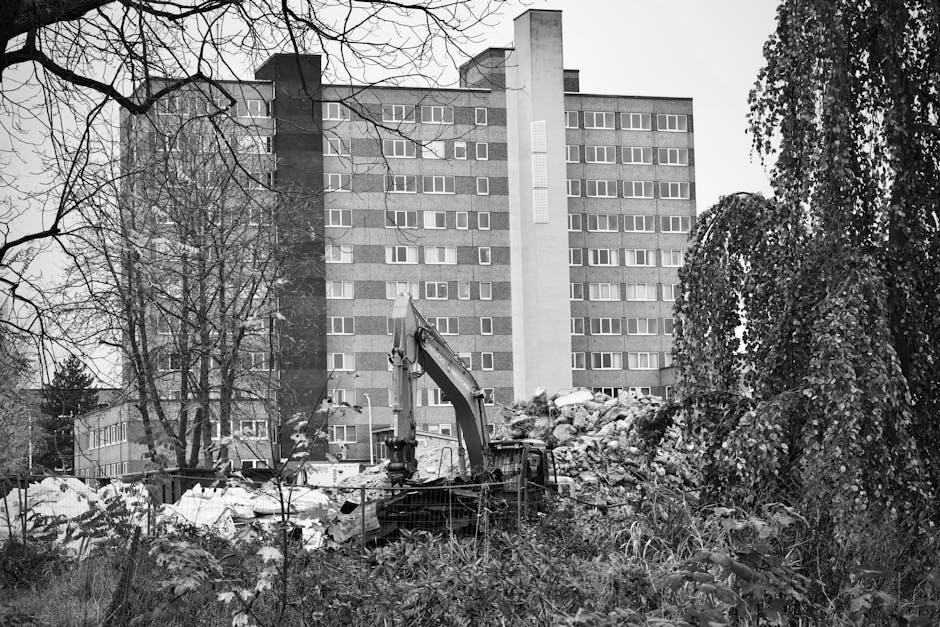
Heygate Estate Flat Removals Furniture Dismantling Service: A Practical Guide for Smooth, Low-Stress Moves
If you are planning a move from Heygate Estate, furniture dismantling can be the difference between a calm moving day and a very long one. In a flat, especially in a busy London setting, beds, wardrobes, desks and dining tables rarely move as neatly as you hope they will. That is where a Heygate Estate flat removals furniture dismantling service becomes genuinely useful: it helps protect your furniture, makes tight access easier, and reduces the chance of scraping walls, bending fixings, or getting stuck halfway down a staircase. To be fair, that moment when a wardrobe will not fit through the door is one many people would rather skip entirely.
This guide explains how the service works, what to expect, who it suits, and how to prepare properly. It also covers common mistakes, practical checklists, and the kinds of support that can make moving out of a flat far less chaotic. If you are comparing options, you may also want to look at flat removals in Elephant and Castle, broader furniture removals support, and the wider services overview for a clearer picture of what can be included.
- Why it matters
- How the service works
- Key benefits and practical advantages
- Who it is for and when it makes sense
- Step-by-step guidance
- Expert tips for better results
- Common mistakes to avoid
- Tools, resources and recommendations
- Law, compliance, standards and best practice
- Options, methods and comparison table
- Case study or real-world example
- Practical checklist
- Conclusion
- Frequently asked questions
Why Heygate Estate flat removals furniture dismantling service Matters
Flat moves are rarely about brute force. They are about angles, timing, access, and not damaging anything on the way out. At Heygate Estate, that matters even more because flat layouts, stairwells, lift access, and narrow routes can turn a simple sofa into an awkward puzzle. Dismantling furniture before the move gives you more control over the whole process.
In practical terms, a dismantling service helps when a piece is too bulky for the hallway, too tall for the lift, or just too awkward to carry safely in one piece. A bed frame may need to come apart. A wardrobe might need shelves, doors and side panels removed. Even a dining table with fixed legs can be easier to manage once broken down. The point is not just to move the furniture; it is to move it without stress, without guesswork, and without an unnecessary repair bill at the end.
There is also a time factor. Moving day is always busier than you think. If dismantling is left until the last minute, the whole schedule can slip. Once that happens, you begin rushing, and rushing is where mistakes creep in. A proper dismantling service builds a little breathing room into the day. That breathing room is worth a lot.
For local context, many people moving around Elephant and Castle want a service that feels coordinated rather than improvised. That is why it can help to read about the local area through pages like community insights on Elephant and Castle living and removals for Elephant Park flats on New Kent Road, especially if you are comparing the realities of different flat types nearby.
How Heygate Estate flat removals furniture dismantling service Works
The process is usually straightforward, but a good result depends on good preparation. A professional dismantling service normally starts with a quick review of the items involved, the access at both properties, and whether anything needs special handling. That can include flat-pack furniture, solid wood items, specialist pieces, or anything with fragile fittings.
Here is the typical flow:
- Assessment before the move - the mover checks what needs dismantling, what can stay intact, and what tools or packing materials may be needed.
- Protection of parts - screws, bolts, brackets, and small fittings are bagged and labelled so they are not lost in the shuffle.
- Careful dismantling - items are taken apart in a controlled way, with attention to joints, cam locks, hinges, or drawer runners.
- Safe loading - the furniture is moved as separate, easier-to-handle sections, which reduces strain and the risk of damage.
- Reassembly at the new home - if included, the pieces are rebuilt, aligned, and checked for stability.
The best services do not treat dismantling as an afterthought. They build it into the whole move plan, which is exactly what you want in a flat environment where access can change from one building to the next. A good mover will also explain whether the service includes reassembly, or whether that needs to be arranged separately. Always ask. It sounds obvious, but people forget in the heat of the moment.
If you are still deciding between different support options, the wider removal services page and removals in Elephant and Castle overview can help you understand where dismantling fits within a full move.
Key Benefits and Practical Advantages
The obvious benefit is that large furniture becomes manageable. But the real value goes deeper than that. Dismantling can save time, reduce risk, and prevent those small but annoying issues that cause delays later on.
- Safer movement through tight spaces - fewer awkward turns, fewer chances of bumping walls or bannisters.
- Lower risk of damage - both to the furniture and to the property.
- Less physical strain - a big one if you are moving without a large team.
- Better use of vehicle space - broken-down furniture often fits more efficiently in the van.
- More organised reassembly - when parts are labelled well, rebuilding is much smoother.
There is also a psychological benefit, and it is not small. A move feels far more manageable when the big items are no longer looming over you. A dismantled bed frame looks like a task; a fully assembled four-poster wedged beside the hallway looks like trouble. You know the feeling.
For many households, the service becomes even more valuable when combined with packing and boxes support or a vehicle service such as man with a van. Those combinations can reduce the number of separate decisions you need to make, which is often half the battle.
Who This Is For and When It Makes Sense
This type of service is especially useful for flat residents who have furniture that is awkward, heavy, or built in a way that makes access difficult. That includes:
- people moving out of compact flats with narrow hallways or stair access
- tenants with flat-pack wardrobes, bed frames, or desks
- families relocating from a furnished or semi-furnished flat
- students who need a quick and organised move between rented rooms
- anyone with bulky items that cannot safely be carried in one piece
It also makes sense if you are trying to keep the move day lean and efficient. Some people think dismantling is only necessary for oversized items, but that is not quite true. Even furniture that technically fits through a doorway can be difficult to move around corners, especially if the route has tight turns or shared common areas.
If your move is time-sensitive, there is also a good case for pairing dismantling with same-day removals in Elephant and Castle. That can be particularly useful when a tenancy ends and the timetable is not exactly generous. Let's face it, the final week of a tenancy has a habit of becoming a bit messy.
For broader service matching, some people also look at student removals, house removals, or even man with van in Elephant and Castle depending on the scale of the move.
Step-by-Step Guidance
Here is a simple way to approach a flat move when furniture dismantling is part of the plan. Keep it practical. No drama. Just a clear sequence.
- Walk through the flat early
Identify the furniture that is likely to need dismantling. Measure tall units, beds, tables, and anything with fixed legs or panels. - Check access routes
Look at door widths, stair corners, lift dimensions, and any awkward turns. A piece can be "fine" on paper and still be a nightmare in the corridor. - Separate and protect fixings
Use labelled bags or containers for screws, brackets, and bolts. Tape them securely to the relevant item if appropriate. - Clear a working area
Give the dismantler space to work. This sounds basic, but clutter is the enemy of speed. - Photograph items before and during dismantling
A quick phone photo of each stage can help later if you need to rebuild something yourself. - Load in a logical order
Keep longer panels and delicate parts positioned where they will not bend or rub. - Rebuild carefully at the destination
Do not rush alignment. Check stability, tighten fittings, and test drawers or hinges before calling it done.
If your flat move also involves storage, that can affect the dismantling plan. Sections may need to be stacked differently, wrapped more thoroughly, or labelled even more clearly. A helpful related page here is storage in Elephant and Castle, because storage changes the logistics more than people expect.
One small but useful note: if you are moving a piece that you might want to sell or reuse later, keep every fitting and every instruction sheet. The instruction sheet always disappears at the worst time, usually right after you need it. Naturally.
Expert Tips for Better Results
Good dismantling is partly about tools, but mostly about judgement. The right person knows when to take an item apart and when to leave it alone. That distinction matters.
- Do not dismantle blindly - some furniture is stronger than it looks when assembled, but fragile once broken into parts.
- Label more than you think you need - a small label now can save twenty minutes later.
- Keep a "rebuild kit" bag - set aside fixings, Allen keys, and any spare caps or covers.
- Wrap edges before moving them - especially for timber panels and gloss finishes.
- Be realistic about time - a complex wardrobe or king-size bed can take longer than expected, especially in a smaller flat.
A useful habit is to ask the removal team which items they recommend dismantling in advance. That conversation alone can save a lot of bother. For example, some modular furniture is easiest to move in smaller sections, while other pieces are safer left assembled until the last possible moment. A little professional advice goes a long way.
For customers comparing service styles, it can also help to explore man and a van in Elephant and Castle or removal van options if the move is relatively small and you want a simpler setup.
Common Mistakes to Avoid
The most common error is leaving dismantling decisions until the day of the move. By then, you are under pressure, and even simple jobs feel harder. Another frequent mistake is failing to keep track of small parts. A missing screw can delay reassembly more than people expect. Very annoying, and very avoidable.
- Assuming everything will fit through the door - it often will not.
- Using the wrong tools - stripped screws and damaged fittings are a pain to fix.
- Not checking whether reassembly is included - always clarify.
- Forgetting to protect floors and walls during dismantling - especially in tight flats.
- Mixing parts from different pieces of furniture - small confusion, big headache later.
There is also a temptation to save a bit of time by forcing a piece through an awkward gap instead of dismantling it properly. That rarely ends well. If anything creaks, scrapes, or catches, pause and reassess. It is usually better to spend five more minutes thinking than five hours fixing something.
If budget is part of the decision, you may want to compare competitive prices and review pricing and quotes before booking. Cheap is useful only when the job still gets done properly.
Tools, Resources and Recommendations
You do not need a van full of specialist kit for a typical flat dismantling job, but the right tools make a huge difference. In most cases, a reliable mover will bring the basics and know how to use them properly. At home, it helps to have a few support items ready too.
| Tool or resource | What it helps with | Why it matters |
|---|---|---|
| Allen keys / hex keys | Bed frames, flat-pack furniture, modular units | Common fixings use these, and the wrong size can strip the bolt |
| Screwdrivers | Panels, hinges, small fittings | Useful for quick, precise removal |
| Label bags | Bolts, screws, washers | Keeps parts grouped correctly |
| Protective wrap | Panels, corners, delicate finishes | Reduces scratches and rubbing |
| Phone camera | Step-by-step photos | Helps with reassembly later |
Good planning resources also matter. If your move is part of a bigger change, such as buying, selling, or switching flats, the surrounding articles can be useful background reading: buying and selling homes in Elephant and Castle and Elephant and Castle real estate investment insights.
For some moves, a simple loading plan and a well-organised crew matter more than sheer muscle. That is one reason people look at man and van services or broader removal companies in Elephant and Castle when they want the job handled in one go.
Law, Compliance, Standards, or Best Practice
For a flat removals furniture dismantling service, the most important compliance point is simple: the work should be carried out safely, with care for your property and the people involved. In the UK, movers are expected to follow sensible health and safety practices, use appropriate manual handling techniques, and take reasonable steps to prevent damage or injury. That is the standard you should expect, even if the job itself is small.
In practice, that means looking for clear communication, appropriate insurance, careful handling of tools, and a sensible approach to heavy lifting. If a mover seems to be guessing their way through a wardrobe removal, that is not ideal. You want calm, methodical work.
It is also wise to check the mover's policies on payment, terms, and safety before booking. The relevant company pages on payment and security, insurance and safety, and health and safety policy are good places to understand what the business says it covers. If privacy or booking details are part of your concern, privacy policy and terms and conditions are worth a look too.
There is also a broader ethical side to decent service delivery. Pages such as recycling and sustainability and modern slavery statement help show how a company thinks about responsible operations beyond the moving day itself.
Options, Methods, or Comparison Table
Not every move needs the same level of dismantling support. The right choice depends on the furniture, access, timing, and how much help you want on the day.
| Option | Best for | Pros | Trade-offs |
|---|---|---|---|
| Self-dismantling before moving day | Smaller flats with simple flat-pack furniture | Can reduce job time and lower costs | Risk of losing fixings or damaging parts if rushed |
| Professional dismantling only | Bulky or awkward items needing careful handling | Safer, faster, more controlled | May cost more than doing it yourself |
| Full move with dismantling and reassembly | Busy households or time-sensitive moves | Most convenient and least stressful | Needs good scheduling and clear service terms |
| Van-only support with no dismantling | Minimal furniture or already pre-broken-down items | Simple and efficient | Not suitable for large, fixed, or awkward furniture |
If you are moving a small number of items and want something flexible, a service such as man with a van or man and a van in Elephant and Castle may be enough. For heavier or more complex furniture, a fuller service is usually the better call.
And if your move needs to happen quickly, same-day removals can sometimes be the practical answer, provided the access and furniture list are clear from the start.
Case Study or Real-World Example
Imagine a typical flat move from Heygate Estate: a two-bedroom flat with a bed frame, a wardrobe, a dining table, and a desk. At first glance, the job looks simple. Then somebody notices the wardrobe is too tall for the corridor turn and the bed frame has fixed side rails that will never make it through the stairwell in one piece. Classic.
Instead of forcing the issue, the mover dismantles the bed, removes the wardrobe doors and shelving, and labels all fittings by item. The desk is left in one piece because it clears the doorway safely. The dining table is taken apart only where needed. As a result, the load-out is quicker, the van is packed more cleanly, and the reassembly at the new place is more predictable.
What made the biggest difference was not speed, oddly enough. It was planning. Once the mover had assessed the access route and identified the awkward items, the rest followed smoothly. There was less lifting, less backtracking, and no last-minute panic with a mattress wedged against a door frame. Small things, but they add up.
That is the real value of a professional approach. It turns moving from a chain of surprises into a set of managed steps. Not glamorous, perhaps. Very effective, though.
Practical Checklist
Use this checklist a day or two before the move. It keeps things tidy and gives the dismantling team a better chance of working efficiently.
- Measure large furniture against doors, lifts, and stair turns.
- Identify which items should be dismantled in advance.
- Set aside screw bags, brackets, and Allen keys.
- Take photos of assembled furniture before taking it apart.
- Clear enough space for the mover to work safely.
- Protect floors, corners, and fragile surfaces.
- Confirm whether reassembly is included.
- Check access times, parking arrangements, and building rules.
- Pack a small essentials box for same-day use.
- Keep important documents and valuables with you.
Expert summary: the best dismantling service is not the one that does the most, but the one that does the right amount at the right time. That usually means careful assessment first, dismantling only where needed, and organised reassembly afterwards. Simple enough in theory. In real life, it saves a lot of hassle.
Get a free quote today and see how much you can save.
Conclusion
A Heygate Estate flat removals furniture dismantling service is about making a difficult part of moving feel ordinary again. That is the goal. You want large furniture handled with care, access problems reduced before they become problems, and the whole move to feel orderly rather than rushed. When dismantling is planned properly, flat removals become more predictable, less stressful, and usually safer too.
If you are still weighing up your options, think in terms of the actual furniture you own, the access in your building, and how much work you want to do yourself. From there, it becomes much easier to choose between a simple van hire, a full moving team, or a move that includes dismantling and reassembly. Honest planning goes a long way.
And if all you do today is measure that wardrobe before you promise it will fit through the hall, well, that is already a win. Sometimes the most useful moving decision is the one made quietly, before the boxes even come out.
Frequently Asked Questions
What is included in a Heygate Estate flat removals furniture dismantling service?
It usually includes taking apart bulky or awkward furniture so it can be moved safely, plus organising screws and fittings. Depending on the service, reassembly at the new property may also be included.
Do I need furniture dismantling for every flat move?
No. You only really need it for items that are too large, too awkward, or too fragile to move in one piece. Smaller flat-pack items can often be moved intact if the access is straightforward.
Which furniture is most likely to need dismantling?
Bed frames, wardrobes, large desks, dining tables, shelving units, and some sofa frames are common examples. Anything with fixed panels or awkward dimensions should be checked carefully.
Can the movers reassemble the furniture afterwards?
Often yes, but you should confirm this before booking. Some services include reassembly as standard, while others treat it as an extra. It is always worth asking early.
How long does dismantling usually take?
It depends on the item, the tools available, and how complicated the furniture is. A simple bed frame may take only a short time, while a large wardrobe or multi-part unit can take much longer.
Is furniture dismantling safe for expensive or antique items?
It can be, but only if the item is assessed properly. Older or high-value furniture may need extra caution, and in some cases it is safer to leave it intact or use specialist handling.
What should I do with screws and small parts?
Put them in labelled bags and keep them with the matching piece of furniture. Many people tape the bag to the item or place it in a clearly marked box so nothing goes missing.
Will dismantling reduce the chance of damage during the move?
Usually yes. Smaller pieces are easier to carry, easier to angle through tight spaces, and less likely to scrape walls or catch on stair rails. That said, correct wrapping and handling still matter.
Should I dismantle furniture myself before the movers arrive?
Only if you are confident doing it and can store the parts neatly. If you are unsure, or the furniture is large or valuable, it is often better to let the movers handle it.
How do I know if my furniture will fit without dismantling?
Measure the furniture and compare it with the narrowest points in the route, including doors, corners, stairs, and lift openings. If any part looks tight, dismantling is usually the safer choice.
Can I book dismantling with a small move or man and van service?
Sometimes yes, depending on the provider and the scale of the job. If you are moving only a few items, a flexible option such as a man and van service may work well, especially when paired with dismantling support.
What is the biggest mistake people make with furniture dismantling?
The biggest mistake is leaving it too late. Once moving day starts, there is less time to think, label, and protect parts properly. That is when avoidable errors creep in.
How can I make reassembly easier at the new flat?
Take photos before dismantling, label every bag of fixings, and keep all parts grouped by item. A little organisation at the start makes the rebuild much quicker later on.
Where can I learn more about moving options around Elephant and Castle?
You can explore related pages on removal services, flat removals, and about us to better understand the local service options and approach.